Add Row
Add Element
UPDATE
Add Element
  • Home
  • Categories
    • News and Events
    • Trending
    • Home Ideas
    • Health and Wellness
    • Featured Business
    • Fitness
October 01.2025
2 Minutes Read

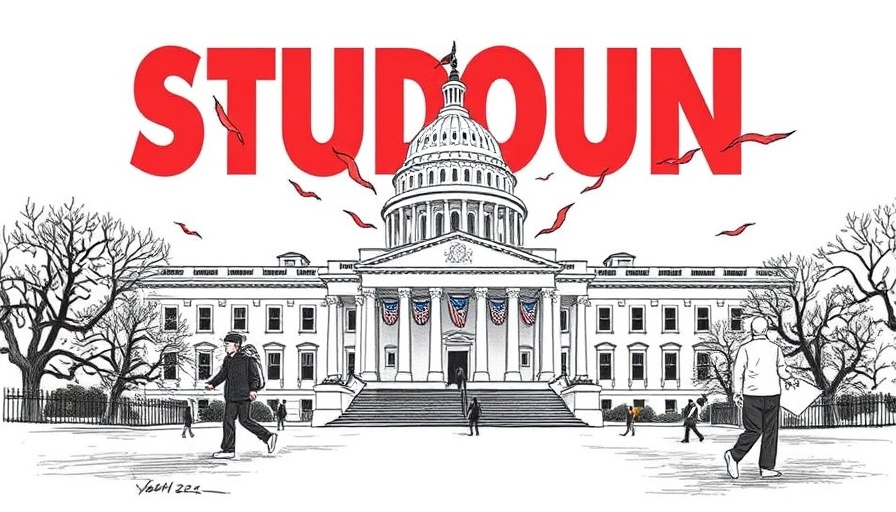
What the Ongoing Government Shutdown Means for You in Bakersfield

What happens now that a government shutdown is underway

Understanding the Impacts of the Ongoing Government Shutdown

As Washington grapples with yet another federal shutdown following a legislative deadlock, the ramifications for countless Americans are becoming glaringly evident. With both parties entrenched in their positions, approximately 750,000 federal employees are now at risk of daily furloughs, costing taxpayers roughly $400 million each day. This situation not only stymies government services but also creates uncertainty for numerous individuals and businesses who rely on federal operations.

Essential Services Will Continue, But At What Cost?

Interestingly, not all federal agencies cease their operations during a shutdown. Services critical to national safety and welfare continue to operate, from air traffic control to veteran health services. The CIA, FBI, and military personnel remain on duty, as they are classified under “excepted” employees, meaning they keep their jobs without immediate pay during the shutdown. However, the potential for delayed paychecks could lead many employees—both essential and non-essential—to explore alternative income sources, reflecting broader public anxiety regarding financial stability.

What Closes and What Remains Operational?

The political maneuvering behind the scenes has significant effects on recognizable services. While mail delivery and social security payments will persist, visitors may find national parks closed, devoid of staff. Historical precedents show this can lead to misuse of these natural spaces, further complicating environmental conservation efforts. Previously, during a similar shutdown in 2018-2019, parks remained open, which resulted in significant litter and damage. Advocates highlight that keeping parks open without staff is irresponsible.

The Economic Ripple Effects of Inaction

The Congressional Budget Office warns that prolonged shutdowns can severely impact economic activity, with federal contracts and spending grinding to a halt. As agencies begin to shutter services, many contractors—who typically do not receive back pay—will also feel the financial strain. Financial experts argue this impacts not only those directly employed by the federal government but also the broader economy as federal employees reduce spending, contributing to a slowdown in various sectors.

Why Understanding the Government Shutdown Matters

As citizens in and around Bakersfield, CA, it is vital to comprehend how these developments can directly influence local economies and services. Discussions around health insurance and essential services can significantly alter constituents' quality of life, particularly for those using Medicaid and other federal programs struggling during this period. Understanding the full scope of a government shutdown enables residents to better prepare for potential service interruptions and financial challenges.

The ongoing government shutdown poses numerous questions and uncertainties. As it drags on, its implications ripple across various sectors, demanding attention to the personal, social, and economic challenges that arise from inaction. Engaging in discussions about this crisis can facilitate greater awareness and can drive advocacy for timely resolutions before widespread repercussions unfold—a call for action that concerns all of us.

News and Events

Write A Comment

*
*
Related Posts All Posts
12.31.2025

California's New Plastic Bag Ban for 2026: What You Need to Know

Update California's New Chapter in Environmental Responsibility As we enter 2026, California takes a bold step towards environmental stewardship by finally closing a loophole in its plastic bag ban. Starting January 1, grocery stores, drug stores, and convenience shops will no longer offer thick, reusable plastic bags. Instead, they will transition to recycled paper bags, marking a pivotal shift in the fight against plastic pollution. How Senate Bill 1053 Affects Consumers The passage of Senate Bill 1053 emphasizes California's commitment to reducing plastic waste. By mandating that stores replace plastic bags with recycled paper bags, the state aims to offer a sustainable alternative that reduces the burden on landfills. Furthermore, beginning in 2028, these recycled paper bags must contain at least 50% recycled materials, reinforcing curtailment in plastic dependency indefinitely. A Historical Look at Previous Laws This legislative move may seem familiar to those who recall the initial ban on single-use carryout bags implemented over a decade ago. Back then, voters supported the ban through Proposition 67, aiming to cut plastic waste significantly. Unfortunately, the existence of thicker reusable bags created an unintended loophole, which only perpetuated the issue. With a staggering 47% increase in plastic bags found in California landfills since the original ban, it is clear that the time for further measures is now. The Environmental and Economic Impact of This Change This law is expected to have both positive environmental and economic impacts. The reduction of plastic in landfills can lead to considerable long-term savings in waste management costs. Additionally, this creates a market demand for recycled paper bags, which can boost local manufacturing industries, providing jobs and promoting sustainable practices. Managing Reality: Exceptions and Consumer Responsibilities As with any new law, there are exceptions. Consumers will still be able to receive plastic bags for prescription medications and for certain items that require additional protection during transport. This acknowledges the complex realities of shopping while encouraging responsible behavior regarding bag usage. How Will Local Communities Adapt? California's decision to abolish plastic bags sets a precedent that may resonate beyond its borders. Residents in cities like Bakersfield will need to adapt by investing in reusable shopping bags and embracing new shopping habits. Grocery stores are also responsible for educating consumers about the necessity of these changes, fostering a more informed and environmentally conscious community. Future Predictions: What Lies Ahead? This shift is just the beginning. If successful, California's approach could inspire other states to adopt similar legislation to combat environmental issues. Future laws may further regulate other single-use plastics and encourage a lifestyle that prioritizes sustainability. By embracing these changes now, California leads the way for a greener future. Engaging Local Businesses and Consumers The collaboration between lawmakers, retailers, and consumers is vital in making this transition a success. Local businesses in Bakersfield and beyond can engage customers with educational campaigns around plastic waste reduction while promoting the use of recycled materials in products. This not only heightens awareness but can also improve the brand image of participating companies. Final Thoughts As Californians embark on this journey to reduce plastic waste, they will have to navigate the new shopping landscape and actively participate in achieving these ambitious goals. Staying informed and engaged with community initiatives will be crucial, but the collective effort will ultimately determine the success of California's environmental future. Whether you feel like going green or want to stay ahead of the lifestyle change, understanding this transition is crucial. By taking action now, we can all make a significant impact.

12.30.2025

Tragedy on Mt. Baldy: What Hikers Need to Know About Safety

Update Tragic Hiker Incidents on Mt. Baldy: A Wake-Up Call for Outdoor EnthusiastsThis month, tragedy struck Mt. Baldy, California, as three hikers lost their lives in a tragic accident during severe weather conditions. The renowned peak, known for its breathtaking views and proximity to Los Angeles, has become infamous for the risks it poses to the unprepared. As an outdoor haven, it draws thousands of hikers annually, but this incident serves as a sobering reminder about the dangers of hiking in adverse weather conditions.The Events Leading to the DisasterOn December 29, 2025, emergency services were called after a 19-year-old hiker fell approximately 500 feet near the notoriously dangerous Devil’s Backbone. Rescue operations quickly mobilized but were hampered by powerful Santa Ana winds. Rescuers were able to visually confirm the presence of three deceased hikers, but severe weather prohibited them from recovering the bodies. Shockingly, this situation epitomizes the danger of Mt. Baldy, which is often regarded as one of the deadliest peaks in the U.S.Understanding the Risks: Mt. Baldy’s Dangerous TerrainMt. Baldy rises majestically to 10,064 feet in the San Gabriel Mountains, offering beauty that belies its perilous nature. The treacherous terrain around Devil’s Backbone, characterized by steep drops and narrow, exposed paths, poses significant challenges for even experienced hikers. The risk is magnified during winter when conditions can lead to sudden snowstorms and freezing temperatures. A significant atmospheric river has recently impacted Southern California, adding to the mountain's hazards.Statistics Speak: The Frequency of Hiker AccidentsStatistics from the past few years are alarming—more than 100 rescues have occurred on Mt. Baldy since 2020, with at least 14 fatalities. Each of these incidents underscores the need for caution and preparedness among hikers. Despite some having familiarity with the trails, unexpected weather can turn a casual hike into a life-threatening situation. The heartbreaking death of actor Julian Sands earlier in 2023 serves as a poignant reminder of the mountain’s dangers.Local Perspectives: The Allure and Danger of Mt. BaldyFor many residents around Bakersfield and the greater Los Angeles area, Mt. Baldy represents an accessible escape into nature. However, the allure of the mountain often overshadows its lurking dangers. Local hikers express both the thrill of conquering such prominent peaks and worry about the increasing number of incidents. The mountain’s visibility from the city humbles those who might underestimate its challenge, inviting both seasoned explorers and the ill-prepared.Preventative Measures: Safety Tips for Future HikersAs we reflect on the recent tragedies, it's essential to consider how future incidents can be prevented. Here are key safety tips for hikers venturing out, particularly during winter months:Research Weather Conditions: Always check local weather forecasts before heading out. Major storms can create hazardous, unpredictable conditions.Gear Up Properly: Equip yourself with appropriate clothing, traction devices for icy areas, and emergency supplies.Hike with Experienced Companions: Always hike with friends and ensure at least one member is familiar with the terrain.Know Your Limits: Choose trails that match your skill level, particularly in rough weather.Conclusion: Staying Informed and PreparedThe recent fatalities on Mt. Baldy should ignite a conversation around hiking safety and risk awareness in the community. It's imperative to recognize the dangers that can arise, regardless of experience level. As we mourn the losses of the hikers, may their stories encourage others to equip themselves with knowledge and preparedness before embarking on their next adventure. For those seeking to hike, stay safe, stay informed, and cultivate a healthy relationship with the outdoors.

12.30.2025

Are Gov. Newsom's Housing Policies Mostly Just Smoke and Mirrors?

Update Political Posturing in Governor Newsom's Housing Strategy In the political landscape of California, Governor Gavin Newsom's recent legislative actions have been portrayed as a strong commitment to housing reform. Yet, as The Daily News editorial board highlights, many of these moves may ultimately be superficial, designed more for political gain than tangible improvement in affordability. In 2025 alone, Newsom signed 794 bills, with a notable emphasis on housing legislation, yet only 45 of these bills were pro-housing measures intended to address California's mounting affordability crisis. The Illusion of Affordability While legislative measures like Senate Bill 79, which relaxes local zoning laws to permit denser housing near transit facilities, seem promising, they come with complex stipulations that might undermine their effectiveness. Critics argue that such approaches are akin to smoke and mirrors, showcasing policy reform without delivering real solutions to the affordability crisis that affects families across the state. As of 2025, California faces a staggering $18 billion budget deficit coupled with an unemployment rate of 5.6%, the highest in the nation. These economic realities cast doubt on the impact of Newsom's housing reforms. For many residents in Bakersfield and surrounding areas, the political maneuvers may soon ring hollow if they fail to result in affordable housing options that align with everyday needs. Understanding the Impact of Price Controls Another notable piece of legislation from the governor is Senate Bill 40, which limits insulin prices to $35 per month. While this may appear beneficial, such price controls could ultimately drive up prices for other medications, harming consumers in ways that may not be immediately apparent. Newsom's strategy reflects the political calculus he must navigate as he eyes a 2028 presidential run, putting short-term headlines ahead of long-term economic stability. Where Progress Meets Resistance Despite the governor's well-intentioned reforms, local governments and community planning groups have expressed significant concern over the potential dismantling of local control. Neighborhood advocates argue that increased housing density could fundamentally reshape suburban character without adequate input from community members. As this tension between state-level directives and local control escalates, communities like Bakersfield must consider how these changes will affect their neighborhoods and citizen engagement in planning processes. Future of Housing Legislation Under Newsom The pathway forward remains complex. While the signing of SB 79 signals a shift in policy aimed at addressing California's notorious housing shortage, experts express skepticism about the potential for real change given existing economic pressures. Historically, California has grappled with a housing crisis that has seen nearly 37,000 more people experiencing homelessness before Newsom took office in 2019. While some progress is evident, the looming question is whether these recent reforms will significantly alter the housing landscape or serve merely as a political façade. Conclusion: What Lies Ahead for California Residents The unfolding housing crisis in California, compounded by rising costs and pressing budgetary challenges, remains a focal issue for residents in and around Bakersfield. As Gov. Newsom continues to navigate a potent mixture of legislative posturing and enduring economic difficulties, it is essential for citizens to remain engaged and informed about policies that affect their cost of living and housing opportunities. Empower yourself by staying informed about how these legislative changes may affect your neighborhood and community. It’s your voice that can drive meaningful change as we move toward the future.

Terms of Service

Privacy Policy

Core Modal Title

Sorry, no results found

You Might Find These Articles Interesting

T
Please Check Your Email
We Will Be Following Up Shortly
*
*
*